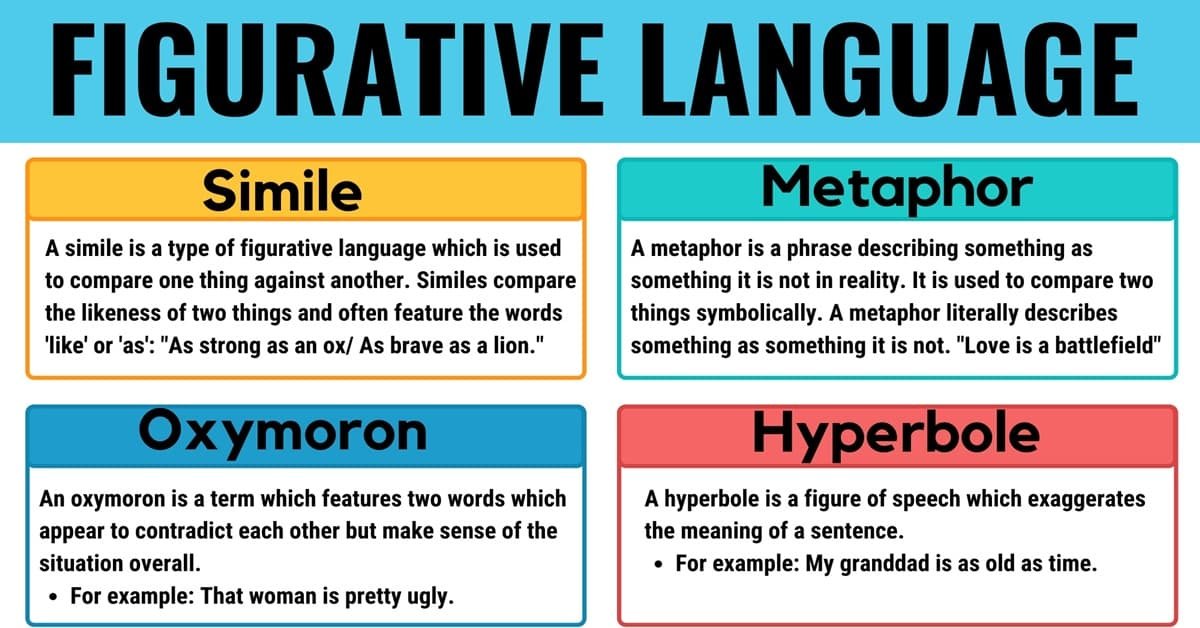
When you hear the word "soldado," your mind likely conjures images of uniforms, discipline, and battlefields. It's a word rooted deeply in military tradition, immediately bringing to mind courage, sacrifice, and the raw realities of conflict. Yet, like many powerful terms from the arena of war, "soldado" has marched far beyond its literal confines, evolving into a potent metaphor in everyday language. Understanding the metaphorical uses and figurative meanings of 'soldado' allows us to appreciate its rich linguistic tapestry and the profound human experiences it encapsulates, from unwavering commitment to fighting for a cause.
In countless cultures and conversations, the language of war — with its battles, strategies, and soldiers — provides a vivid framework for understanding struggles, dedication, and resilience in non-military contexts. From the boardroom to the classroom, from social movements to personal challenges, the spirit of the "soldado" is invoked to describe those who stand firm, fight hard, and commit fully.
At a Glance: The Metaphorical Soldado
- More than a Uniform: "Soldado" transcends its military definition to represent anyone dedicated to a cause, enduring hardship, or working diligently.
- A Symbol of Commitment: It often highlights unwavering loyalty, perseverance, and sacrifice in pursuit of a goal.
- Everyday Heroes: From activists to teachers, the term celebrates individuals who "fight" for progress and justice without literal weapons.
- Roots in Payment: The word's origins link to being "paid for service," subtly underscoring the idea of committed effort and value.
- Beyond the Battlefield: Its usage extends to social struggles, corporate challenges, personal growth, and team dynamics.
The Linguistic Boot Camp: Tracing 'Soldado' from Coin to Combatant
To truly grasp the metaphorical weight of "soldado," let's take a quick march back through its etymological roots. The word "soldado" is Spanish for "soldier," and its journey to this meaning is quite fascinating. It originates from the Late Latin "solidatus," which referred to "one who is paid for service." This, in turn, is linked to "solidus," a type of gold coin used for payment in the Roman Empire. So, initially, a "soldado" was essentially a paid professional, someone whose commitment was secured by remuneration. Over time, this evolved to specifically denote those paid to serve in the military, defending a realm or engaging in combat.
This literal foundation – a person paid and committed to a specific, often perilous, service – forms the bedrock for its expansive figurative life. It suggests a professional, someone with a clear objective, operating within a structured context, ready for action. And it's from this core definition that its metaphorical strength springs. If you're keen to delve deeper into its fundamental definition, you can always Explore the meaning of soldado in its primary context.
Beyond the Barracks: 'Soldado' as a Champion of Causes
In its most prevalent metaphorical sense, "soldado" is a title bestowed upon individuals who embody the qualities of a soldier but operate on different battlegrounds. Think of the activist tirelessly campaigning for human rights, the scientist dedicating years to finding a cure, or the teacher striving to ignite curiosity in young minds. These aren't people in uniform, yet their dedication, perseverance, and readiness to "fight" for what they believe in resonate deeply with the archetype of a soldier.
Activists and Advocates: Soldiers of Social Justice
Perhaps one of the most powerful metaphorical applications of "soldado" is in the realm of social and political activism. When we say, "Los activistas son soldados en la lucha por la justicia social" (Activists are soldiers in the fight for social justice), we immediately understand the gravity of their commitment. They are the ones on the ground, often facing significant opposition, risking personal comfort, and dedicating their lives to a cause greater than themselves.
They aren't wielding weapons, but their tools—voices, petitions, protests, and persistent advocacy—are aimed at enacting change. This usage highlights:
- Unyielding Commitment: Like soldiers, they don't give up easily, even when facing an uphill battle.
- Collective Action: They often operate within organized movements, much like troops within an army, working towards a common objective.
- Sacrifice: Activists frequently make personal sacrifices, dedicating time, energy, and sometimes even their safety, for their beliefs.
Educators and Innovators: Building a Better Future
The "soldado" metaphor also extends to those shaping minds and pushing boundaries. Consider how teachers are metaphorically considered "soldados" in the educational struggle for student success. They are on the "front lines" every day, facing myriad challenges, from limited resources to diverse student needs. Their mission is critical, their impact profound, and their daily work often demands the same resilience and strategic thinking associated with military service.
Similarly, innovators in science or technology might be described as "soldiers" in the quest for discovery or progress. They face setbacks, endure long hours, and continuously push against the unknown. Their "battle" is against ignorance, inefficiency, or disease, with the ultimate goal of improving human lives. Their resolve often means they must learn to 'bite the bullet' through tedious research or repeated failures.
Fighting on Different Fronts: 'Soldado' in Everyday Challenges
The utility of war metaphors in daily life stems from our innate understanding of conflict, strategy, and perseverance. Many of us can relate to the feeling of being "in the trenches" when tackling a particularly arduous project or experiencing a period of intense pressure. The "soldado" embodies this spirit of enduring hardship for a greater purpose.
The Daily Grind: Perseverance in Professional Life
In the professional world, employees, particularly those in demanding roles, are sometimes metaphorically referred to as "soldiers." This isn't about literal combat but about the daily commitment, long hours, and problem-solving required to meet objectives.
- "In the Trenches": Sales teams pushing to meet quotas, development teams debugging complex software, or customer service representatives handling difficult inquiries are all metaphorically "in the trenches." They're doing the gritty, foundational work that keeps the organization moving forward. You might hear someone say, "Our marketing team are true soldados; they're understanding 'in the trenches' with this new campaign."
- "Front Line Workers": This term, though originating from military parlance, has seen a powerful resurgence in describing essential service providers—healthcare professionals, grocery store clerks, delivery drivers. They are the dedicated dedicated front-line workers directly involved in critical operations, often at personal risk, reflecting the unwavering commitment of a soldier.
Personal Battles: Overcoming Adversity
On a personal level, the "soldado" metaphor speaks to our individual resilience. Someone battling a serious illness, overcoming addiction, or navigating a period of intense grief might be described as a "soldado" fighting their own private war. This usage emphasizes their courage, their determination to keep going, and their refusal to surrender to overwhelming odds. It acknowledges the invisible scars and silent victories of these deeply personal struggles. This inner strength helps them continue the fight, even when others might think they've narrowly dodged a bullet through sheer luck.
Collective Strength: 'Soldado' in Teams and Movements
While "soldado" can highlight individual bravery, it often shines brightest in the context of collective action. A single soldier is powerful, but an army is formidable. This translates directly to its metaphorical use in describing groups united by a common goal.
Sports Teams: Soldiers of the Field
In sports, teams are frequently described with military metaphors. Players are "soldiers" on the field, executing strategy, defending their turf, and launching attacks. A star player might be a "general," but every team member is a "soldado" crucial to the collective victory. This applies to:
- Unity and Discipline: A team that "closes ranks" and works in perfect sync embodies military precision.
- Strategic Play: Coaches devise "battle plans," and players execute them with tactical discipline.
- Shared Goal: The ultimate "victory" is achieved through the combined efforts and sacrifices of every "soldado."
"Soldados de la Paz": A Paradoxical Power
The phrase "soldados de la paz" (soldiers of peace) offers a fascinating oxymoron. It describes peacekeepers, individuals who, despite wearing a uniform and potentially being armed, are deployed not for combat but to maintain stability, prevent conflict, and protect civilians. Metaphorically, this extends to anyone working actively to de-escalate tensions, foster understanding, or build bridges between divided groups. It underscores the idea that sometimes the most profound "fight" is for harmony, requiring a soldier's discipline and courage without their destructive intent.
Nuances and Echoes: Exploring Deeper Meanings
Like any rich metaphor, "soldado" carries a spectrum of connotations. While often positive, evoking images of heroism and selflessness, it can also subtly hint at less flattering aspects depending on the context.
"Soldado de Fortuna": The Mercenary Metaphor
The literal phrase "soldado de fortuna" (fortune soldier) refers to a mercenary—someone who fights for pay rather than for a cause or country. Metaphorically, this can describe individuals who lend their skills or loyalty purely for financial gain or personal advancement, without genuine commitment to the underlying principles of the "battle" they're engaged in. It highlights a transactional relationship, where the "fight" is a means to an end, rather than a passionate pursuit.
"Soldados Caídos": The Cost of the Struggle
While "soldados caídos" (fallen soldiers) literally refers to those who died in military service, its metaphorical shadow can be cast over those who "fall" in non-military struggles. This could be someone whose career was sacrificed for their principles, an activist who faced severe personal repercussions, or a project leader whose ambitious endeavor failed despite their best efforts. It acknowledges the real human cost—the exhaustion, the burnout, the personal losses—that can accompany intense commitment to any "fight."
The Power of War Metaphors: Why They Resonate
Why do we instinctively reach for military language to describe civilian life? The answer lies in the profound human experiences encapsulated by war: extreme pressure, clear objectives, loyalty, sacrifice, and the ultimate stakes of victory or defeat. These are universal themes that resonate deeply, even when applied to a startup's growth strategy or a community's fight against poverty.
War metaphors provide:
- Clarity and Urgency: They immediately convey the seriousness and importance of a situation.
- Motivation: They inspire a sense of purpose, rallying individuals or groups to action.
- Shared Understanding: Most people understand the basic concepts of military conflict, making these metaphors easily digestible.
From "uphill battles" to "dropping bombshells," the language of war permeates our speech because it offers a powerful shorthand for complex human experiences. It allows us to imbue our everyday challenges with a sense of heroism, urgency, and the unwavering spirit of those who face true conflict.
Crafting Your Own 'Soldado' Metaphors: Beyond the Obvious
Using "soldado" metaphorically can add significant impact to your language, but it requires thought. Here's how to wield this linguistic tool effectively:
- Identify the Core Trait: What aspect of a soldier are you emphasizing? Is it perseverance, loyalty, strategic thinking, sacrifice, or courage?
- Context is Key: Ensure the context supports the intensity of the metaphor. Calling someone a "soldado" for choosing what to watch on Netflix might be overkill, but for a person battling injustice, it's fitting.
- Avoid Glorifying Conflict Unnecessarily: While powerful, military metaphors can sometimes inadvertently romanticize violence. Use them to highlight human qualities like resilience, not to promote aggression where it doesn't belong.
- Pair with Specific Examples: Don't just say "they're soldiers." Explain how. "The researchers are soldiers in the fight against climate change, diligently collecting data and sharing their findings, even when faced with skepticism."
- Consider the Audience: Will your audience understand and appreciate the nuance? For some, war metaphors might feel too strong or even inappropriate.
By consciously choosing when and how to deploy "soldado" and other related concepts, you can paint a more vivid and impactful picture of dedication, struggle, and triumph in any field.
Frequently Asked Questions About 'Soldado' Metaphors
Can "soldado" be used negatively?
While often used to convey positive traits like dedication and bravery, "soldado" can sometimes carry negative connotations. For example, implying someone is a "blind soldado" could suggest unquestioning obedience without critical thought, or being "cannon fodder" refers to someone expendable. The phrase "soldado de fortuna" also highlights mercenary motives over genuine commitment.
Is the use of war metaphors appropriate in all contexts?
Generally, war metaphors are widely accepted in many professional and social contexts to describe intense effort, strategy, and challenges. However, it's crucial to be mindful of your audience. In very sensitive situations, particularly concerning real-world conflicts or trauma, using war metaphors lightly could be perceived as disrespectful or trivializing. Always consider the potential impact.
How does "soldado" compare to other military-related metaphors?
"Soldado" typically emphasizes the individual's role, commitment, and often, their willingness to sacrifice for a cause. Other military metaphors often focus on different aspects:
- "In the trenches": Highlights hard, foundational, often unglamorous work.
- "Uphill battle": Focuses on the difficulty and struggle of a task.
- "Dodged a bullet": Emphasizes luck or narrow escape from misfortune.
- "Rally the troops": Focuses on leadership and motivation.
Each offers a distinct shade of meaning, with "soldado" zeroing in on the individual or collective embodiment of the fighter spirit.
The Enduring Spirit of the Unseen Soldier
The figurative "soldado" is a testament to the enduring power of language to adapt and transcend its origins. It reminds us that heroism isn't exclusive to battlefields, and unwavering commitment can be found in every corner of life. From the tireless activist to the dedicated teacher, the relentless entrepreneur to the resilient individual facing personal adversity, the spirit of the "soldado" lives on. It is a powerful reminder that wherever there is a cause worth fighting for, a challenge to overcome, or a dream to pursue, there will be "soldiers"—not necessarily in uniform, but certainly in spirit—ready to answer the call.
So, the next time you encounter someone demonstrating exceptional dedication, resilience, or unwavering commitment to a cause, pause and consider: you might just be witnessing the metaphorical "soldado" in action, embodying the spirit of purpose and perseverance that echoes through history, far beyond the sound of any bugle.